
Subsidence Risk
Subsidence Risk Assessments

If a property has a no evidence of recent or continuing movements but there is a history of subsidence, particularly if it has been underpinned, or if there are close-proximity trees, then insurers will normally require expert opinion on the level of risk for future subsidence before accepting the property as a suitable risk for insurance purposes.
This requires an inspection to determine:
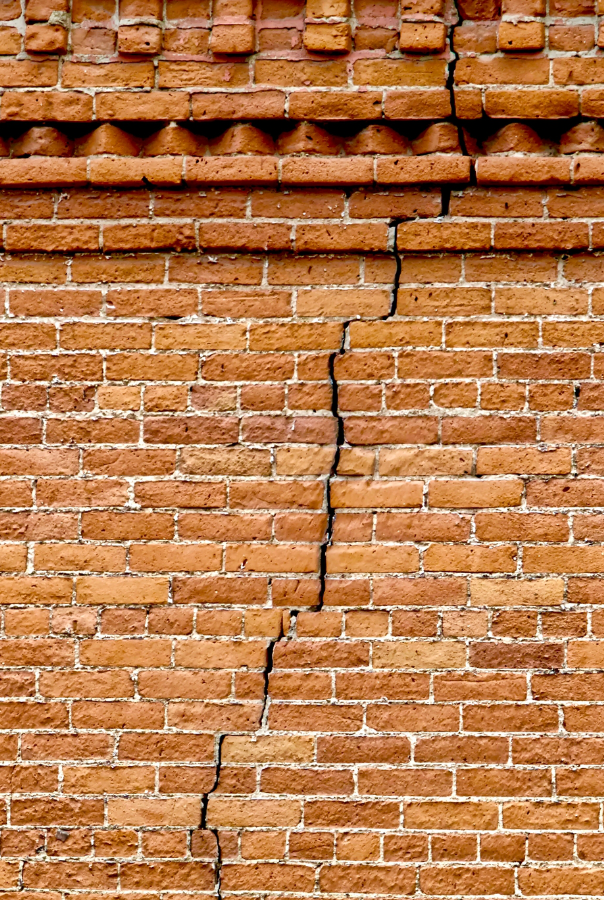
i. whether there is evidence of any significant cracking or distortions consistent with historic, recent or continuing differential foundation movements, or subsidence.
ii. if there is evidence of historic movements, what was the most likely cause, what would have been the most appropriate remedial strategy, and has it been adequately dealt with?
iii. if there is evidence of recent or ongoing movements, what is the most likely cause and the most appropriate remedial strategy?
iv. If there are close-proximity trees, do they present a risk of subsidence for the foreseeable future?
v. what, if any, precautionary works are necessary to reduce the subsidence risk to a normal level.
This is an impartial professional service often requiring a fast turnaround and, typically, for a residential property we will inspect within two days and issue the report within a further two working days of this visit.
If significant issues are found, we clearly identify them and give recommendations for risk-reduction or precautionary works, as appropriate. We also give a budget estimate of cost, if appropriate. A potential purchaser may then negotiate the terms taking account of the conclusions and the recommendations of our report.
"Thanks again - you inspire confidence even when you're saying things I'd rather not hear!" Mrs Purcell, Folkestone.